Commercial Construction

Lighting Considerations for Your Commercial Office Space

If you’re remodeling a commercial space or are considering a new commercial build, lighting will be a crucial part of your design decisions. Not only will you need to consider budget and aesthetics, but also various types of lighting for different spaces in your office.

First and foremost, consider the natural light your space will have and play into that. Natural light boosts productivity and increases mood. It also decreases eye strain. Using skylights, glass doors, and of course maximizing windows, can help to reduce electricity costs and improve employee health (less eye strain, for example).

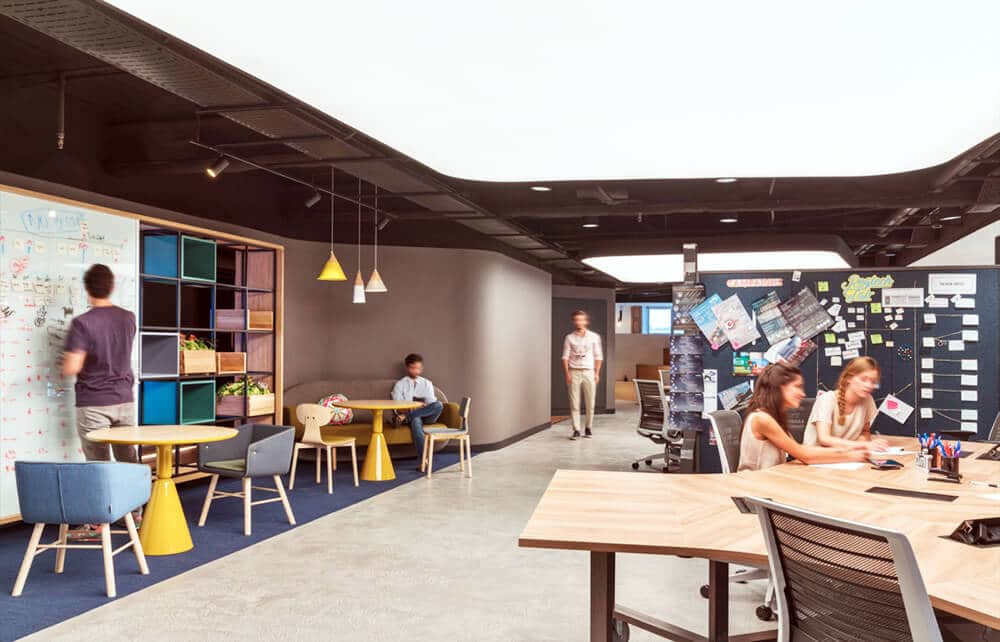
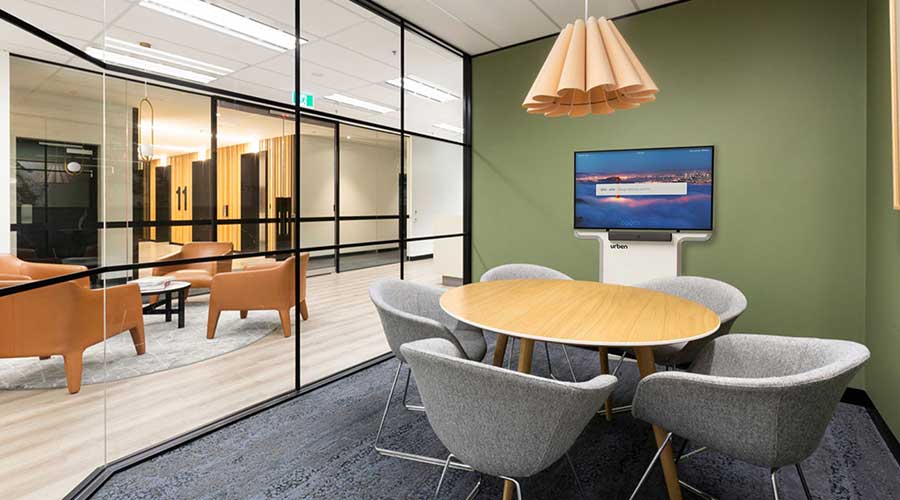
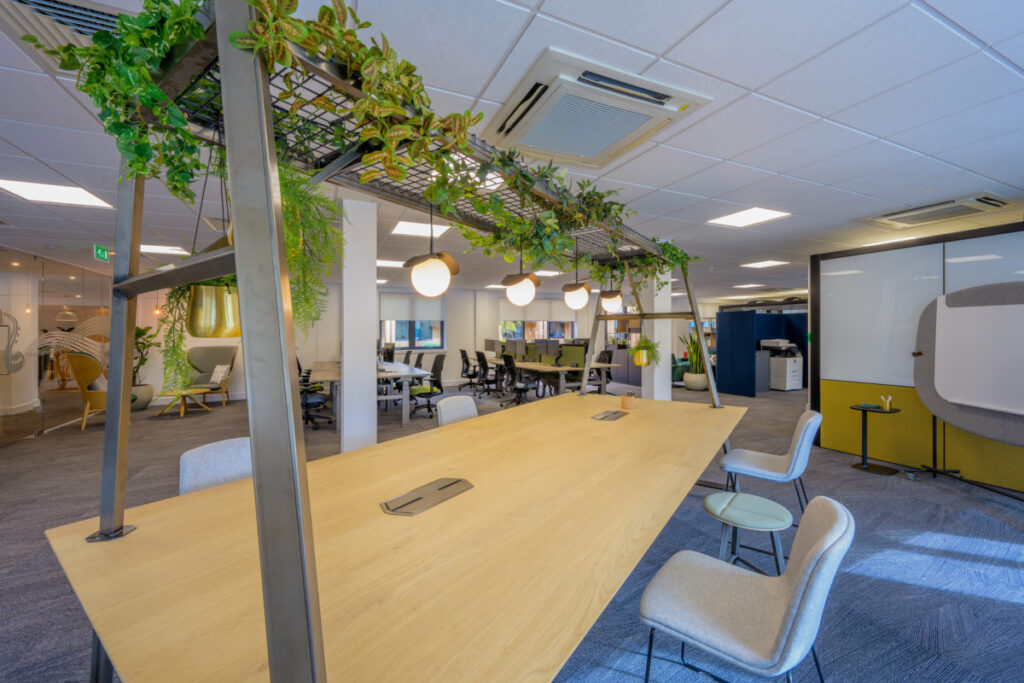
Interior shot of an open-plan office featuring modern design, natural light, tables, chairs, and plants, ideal for business and lifestyle visuals.

This commercial space takes advantage of natural light, but also includes pendant lights over the tables for added task lighting. Not only does this help with employee focus but it also adds style and character to the space.

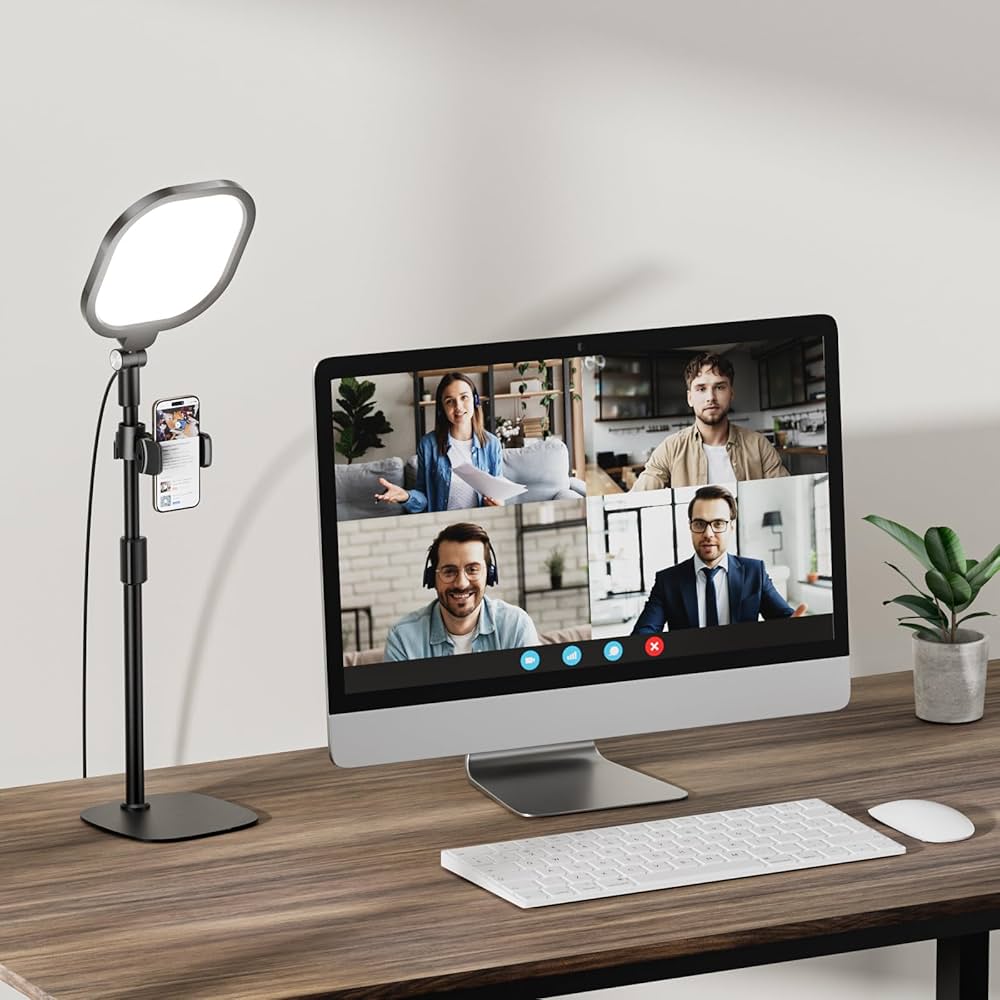
Productive tech-driven home office with daily focus layout, neat and clean –ar 125:83 –v 6.1 Job ID: 155f05b9-bf94-4b54-aa36-4797bcce9637

For smaller office spaces or personal offices, a similar mix of floor lamps, desk lamps, and natural light are best. Overhead lighting can be useful as well, especially if individual office overhead lights have a dimmer. Some people work better in brightly lit environments, while others prefer a calmer and slightly darker atmosphere. Having options for personalizing the lighting in one’s office will again keep your employees happier.

Finally, for the best in energy efficiency, stick with LED bulbs. They’ll provide reliable light in a variety of wattages and soft or bright light options, for all of your overhead and desk lighting.

Considering remodeling your commercial office space? We’d love to help! Contact us to get started.

Benefits of Planned Outdoor Space in your Commercial Construction Project

When designing your new commercial building project, it’s important to consider every aspect of design from energy efficiency to employee satisfaction and comfort. One area of commercial construction designs that has become increasingly important since the COVID pandemic is designing welcoming outdoor spaces for employees.

Why outdoor space?

While working from home during the height of the pandemic many employees had more access to sunshine and outdoor spaces than they do in a typical office setting. In order to meet emerging employee needs, adding this type of space in your office building is crucial. Let’s not forget the added benefits of vitamin D, stress relief and endorphin boosts that can come with spending time in nature!

Types of Planned Outdoor Space to Consider

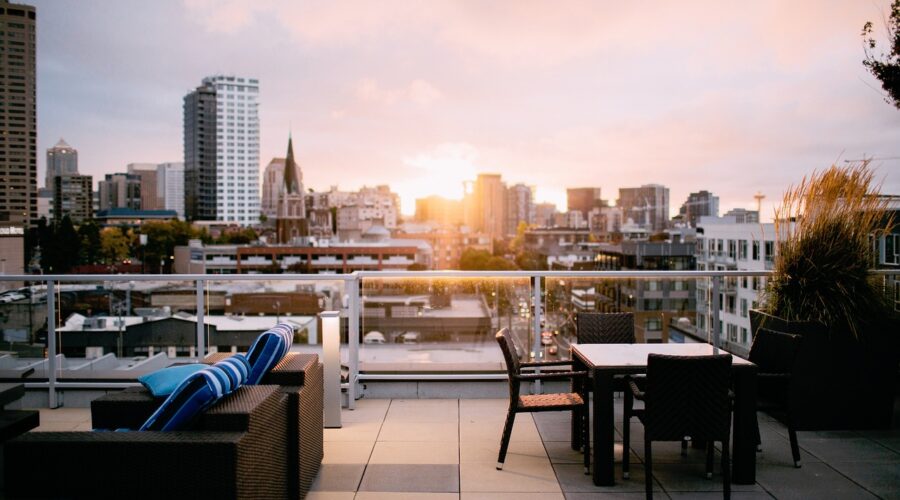
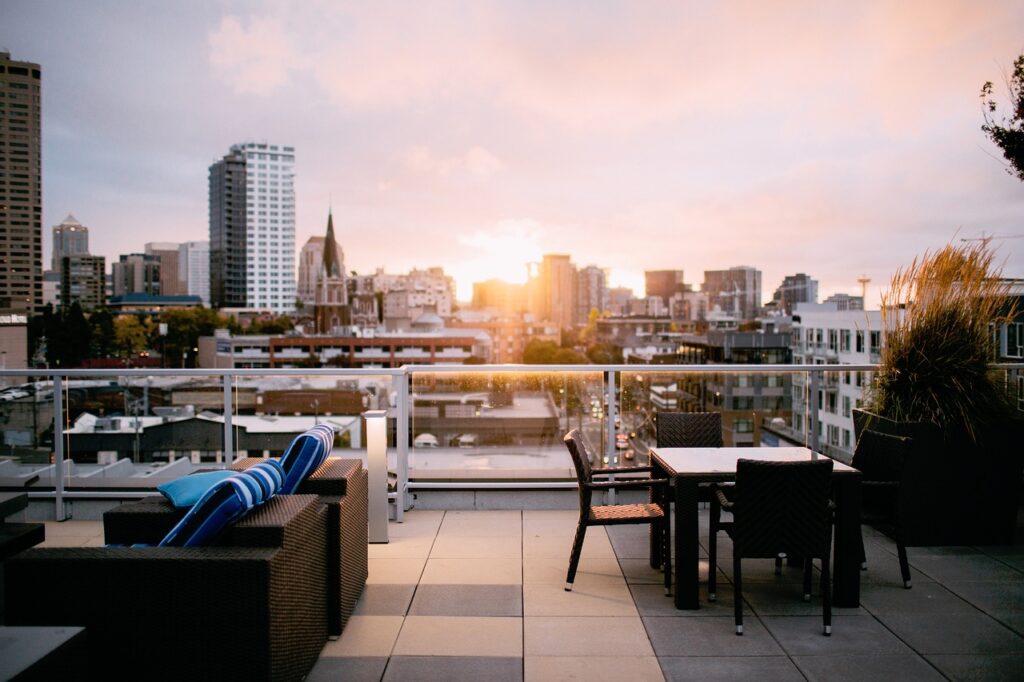
Rooftop gardens or workspaces are a great way to find outdoor space in the middle of a city.  Shade structures, covered areas in case of rain, and plentiful seating and greenery can make your employees feel at ease.

Sunrooms or solariums  are a great way to stay enclosed but provide that feeling of warmth, and a “conservatory” like feeling.  Filled with live plants and discreet, beautiful privacy screens, employees will feel comfortable taking a private call or brainstorming their next creative project here.

Courtyards are an excellent way to use space that is already available between buildings or off of alleyways.

Additions to consider

Be sure your outdoor space is WI-FI enabled and that the technology works well in the outdoor space.

If appropriate, set quiet hours for your outdoor spaces so that large meetings or casual gatherings don’t interrupt others’ workdays.

Water features will provide a peaceful backdrop and may bring birds to your outdoor space.

Live plants and foliage can also contribute not only to the beauty of your space but also to the natural world by providing pollen for bees and insects too.

If you’re ready to talk more about a commercial remodel and how to incorporate planned outdoor space in your commercial construction project, contact us.

Understanding the Pre-Construction Process

The first step, or set of steps, for any commercial, multi-family, or residential project, is the pre-construction process. During the pre-construction phase, before construction begins, much of the planning and essential work happens. 

Usually pre-construction meetings take place involving the owner, project manager, architect, general contractor, and project manager.  During these meetings the following are often discussed and decided on.

Defining the scope of work, Design/Development: including scheduling necessary tests (soil tests, for example) or pulling required permits, understanding the overall objectives of the project.

Costs and Schedule Management: This covers scheduling of subcontractors, estimated and actual costs, managing timelines for the project, and understanding risk management. 

Team Assembly is crucial to any good project: having a reliable team in place, including subcontractors, vendors, designers, and assistants, can make all the difference. 

Site Prep like getting an area graded and utilities set up, and setting up temporary offices, bathroom facilities, etc are the last step before a project actually begins. This means we’re ready to get started with the physical work of your new construction or remodel project! 

Design Build vs. Traditional: Which is right for you?

When it comes to bringing your commercial construction project to life, you have two basic methods to choose from: a traditional (design-bid-build) method or a design build method. Each has its benefits and drawbacks, and deciding which is the best way to go will be up to you and your individual preferences.

Design Build

A “design build” method means that your contractor is in charge of everything: the design and the build. At North Peak we use this method and work with our architects, subcontractors, vendors and the owner as a team, from the very beginning of the project.

With a design build, you’re trusting your contractor to choose all of those other aspects: vendors, architects, etc. You’re allowing the contract to have most of the control, leaving you to just relax and wait for your finished project!

For some, this lack of control can be unpleasant. While it can save time and streamline processes, if you want to be more involved in various aspects of your project, a traditional method might be better for you.

Traditional Build

With a traditional build, also called a design-bid-build, you will choose your architect first. Once your architect has designed your project you can then have contractors bid on your project.

This also means you will become the go-between and main communicator between the architect and general contractor. You’ll be in charge of making more decisions in regards to your commercial project.

Three Commercial Building Trends for 2025

Trends in commercial buildings come and go, and this year is no different. While some trends, like sustainable building, have stuck around for several years now, others, like Smart Buildings and Adaptive Reuse are just emerging.

First, “Sustainable Building” has been growing since the 1960s. The 1990s brought actual guidelines for “green” building standards. Since then the availability of projects and methods for creating commercial office buildings, neighborhood strip malls, and homes, has grown substantially.

Bamboo, cork, reclaimed wood, concrete, and adobe are all examples of sustainable building materials.

A second trend in commercial office design these days includes “in office benefits” for workers. These can range from something as simple as green plants to more complex options like an employee fitness center.

Providing incentives for employees, and ways to help them stay motivated helps you as their boss, but also helps your employees. Natural light, breakout spaces, quiet rooms, and quality office furniture are all ways to provide benefits to your staff.

It’s no surprise that “smart buildings” and the concept of “IoT” (The internet of things) are taking off. Smart buildings use Internet integration technology to program security cameras and thermostats, to improve workflow, and even to analyze data and productivity.

Energy efficiency is one of the top ways companies can use Smart Technology. By implementing simple changes in your design, like programmable thermostats, smart lighting, and even smart windows, companies can save money and help the environment.

If you’re considering a new commercial building, repurposing a current commercial property, or building a space that includes commercial and residential aspects, we’d love to help! Contact us at (970) 812-7970.

What is Adaptive Reuse?

In Grand Junction, Fruita, and towns all across the country, historic buildings and warehouse spaces often sit empty for years before being demolished to make room for new and modern buildings.
 
However, the idea of Adaptive Reuse is growing, and can be a way to preserve architecture while also saving businesses time and money.
 
 
Adaptive Reuse the process of remodeling a building for a use other than its originally intended one. For instance, the Lowell School (the old R5 school) was repurposed to house several businesses, including a brewery.
 
One of the benefits of Adaptive Reuse is that it preserves both architecture and heritage. No one wants to lose the great brickwork on an historic building, or the tin ceiling inside, for example. By repurposing the building instead of just tearing it down, businesses are able to highlight those historical features.
 
Another reason businesses might consider Adaptive Reuse is cost. Often it can be cheaper to restore / remodel a building than to build a new one.  Remodeling a structure can also be faster, which saves time and expense for owners too.
 
Elysium Studios is a tattoo studio in Fruita, Colorado whose space was a former church.
 
Some considerations for Adaptive Reuse include:
 
Structural assessments – you don’t want hidden or unexpected costs to arise. A structural assessment will ensure the building is sound and suitable for restoration or remodel.
 
Budget – Remember that, with any remodel project, unexected expenses will occur. Be prepared with an adequate budget and contingency fund.
 
Neighborhood – Is the potential project a good one for the neighborhood? Will it add value and fit in with other businesses in the area?
 
You’ll want to have a good contractor and team in place to take on your project; there will inevitably be areas that need to be brought up to code. Staircases and electrical wiring are two examples of areas that could require extra work to meet current codes.
 
If you’re interested in learning more about Adaptive Reuse, or have a project in mind, we’d love to talk to you! Contact us here.
 

The Topping Out Ceremony

In the construction world, the tradition of a Topping Out ceremony has been around for over 1,000 years. The event takes place when the final beam is raised on a structure, signaling that framing is done and it’s time to move on to making the shell a beautiful space for work or play. This celebration, which many say started in Scandanavia, served several purposes then.

First, it was a way to recognize and celebrate the framing of a new building. This was, and still is, an important milestone for any construction project.

Also, the northern Europeans, to appease the spirits who lived in the trees they cut down, would often attach a small pine tree to the top of the beam. It’s said that, when all the needles fell off the tree, the Scandinavians knew the building’s frame was dried out or cured. This meant they could enclose the structure.

While today’s topping out ceremonies don’t necessarily include offerings to tree-dwelling spirits, they are a great way to show appreciation for the project team, construction crew, stakeholders, and all involved in getting a building project to that important benchmark.

Often at the ceremony owners and project members will sign the beam before it is raised.

Once framing is complete it’s time to turn a shell into a building with walls, lights, and floors, where once there was just an idea and a blueprint.

Visit our GJ Blackout page to see more photos and articles from our recent Topping Out ceremony.

Sustainable Building Materials for your Commercial Construction Project

New building materials and technologies are making it possible for the construction industry to enter the world of sustainability with materials that are durable and better for the environment. The following materials are just a few that are making it easier to build strong, aesthetically-pleasing structures while considering environmental effects as well.

BAMBOO

Bamboo is a renewable “grass” that is strong and flexible. It regrows quickly, is durable, and can be used for framing, support, floors, and interior finishes. Because it grows so fast, up to 1.5 inches per hour, Bamboo is a quickly renewing, recyclable resource that works for many different facets of commercial construction design.

LAMINATED TIMBER

Laminated timber is an engineered wood product. It’s made by using an adhesive or glue to combine several pieces of lumber together. It is extremely strong; it’s stronger than standard lumber milled sawn wood.

It is more eco-friendly than steel or concrete and can be sued for everything from beams and columns to roofing and flooring. It is fire-resistant and water-resistant as well.

ADOBE BRICK

Adobe brick, made out of clay and straw, is naturally occurring and therefore a more sustainable choice than a manufactured product. It has wonderful insulating properties and can be a unique and good choice in arid areas. It has been used for centuries as a building material and can be recycled over and over.

STONE

Naturally existing stone is a great sustainable option for flooring, fireplaces, facades, entryways, and more! It is durable, strong and versatile. Adding stone to your project will not only ensure that you’re using available, existing natural resources, but also will give your building an added texture and feature.

CORK

Cork is a common building product in Europe. Slowly it is growing in popularity in the U.S. It comes from the cork oak tree and is removed by hand. This means it is renewable; trees are never cut down or killed in order to harvest cork.

It is mold-resistant as well and is often used in floors and walls. Because it it is water-resistant and durable, it can also be used for countertops and cabinets as well.

If you’re considering a commercial building project in Colorado this year, we’d love to help! Reach out to our Colorado commercial contractors today and let North Peak bring your building dreams to life!

10 Trending Commercial Office Design Ideas for 2025 with a Colorado Flair

As we move into 2025, commercial office spaces continue to evolve, blending function, comfort, and inspiration. The trends now lean heavily toward creating environments that encourage collaboration, well-being, and creativity while reflecting a sense of place. For businesses in Colorado, the beauty of the Rocky Mountains and the state’s dynamic culture offer endless opportunities to infuse regional style and natural elements into the workplace. Below are ten office design ideas that incorporate both the latest trends and the signature Colorado aesthetic.

1. Incorporating the Colorado Outdoors

Colorado is known for its breathtaking natural landscapes, and bringing these elements into your office space can create a refreshing, grounding environment. Think large windows with mountain views, indoor plants like pine trees or succulents, and natural wood finishes. For a more immersive experience, integrate local stone or reclaimed wood into your office walls or floors, connecting employees to Colorado’s rich outdoor heritage.

2. Sustainable and Eco-Friendly Materials

With a growing focus on sustainability, many Colorado businesses are opting for eco-friendly office designs. Use recycled materials, energy-efficient lighting, and locally sourced furniture to create a space that reflects the state’s commitment to conservation. Install solar panels on the roof or integrate energy-efficient heating and cooling systems to reduce your carbon footprint, which resonates with both employees and customers who prioritize sustainability.

3. Multipurpose Spaces with a Colorado Twist

In the land of hiking trails, skiing, and outdoor adventures, Coloradans value flexibility. Designing multipurpose spaces that can serve as meeting rooms, lounges, or quiet zones encourages collaboration while offering employees a break when needed. You can create these areas with modular furniture and light, airy designs. Incorporate earthy tones, like terracotta or sage green, to reflect Colorado’s rustic charm.

4. Creative, Local Art Displays

Bring Colorado’s vibrant arts scene into your office with local art installations, murals, and sculptures. Whether you’re in Denver, Boulder, or Colorado Springs, the state’s unique culture offers endless artistic inspiration. Display work from local artists that captures the essence of the state’s natural beauty, such as mountain landscapes or abstract interpretations of the wild. These art pieces can serve as conversation starters and spark creativity in your team.

5. Health and Wellness Focus

Coloradans are known for their active lifestyles, so why not incorporate wellness-focused design into your office? Create designated spaces for meditation or yoga, and encourage movement with walking desks or ergonomic furniture. Including elements like air-purifying plants, natural lighting, and calm, earthy color palettes can enhance employee well-being and improve productivity.

6. Open and Collaborative Workspaces

As companies embrace more flexible working styles, open office layouts continue to rise in popularity. Transparent glass walls, open meeting areas, and modular furniture all contribute to an open and collaborative environment. To add a bit of Colorado flair, use large glass windows to take advantage of the scenic views and natural light that the state has to offer, giving employees a sense of connection with nature.


Modern Mountain Lodge Aesthetic
Inspired by the mountain cabins and rustic retreats found throughout Colorado, this design blends luxury with comfort. Think warm wooden beams, stone fireplaces, leather furniture, and plaid textiles. This look provides a cozy, yet professional feel—perfect for companies looking to create a relaxed atmosphere while still promoting productivity.

Outdoor Spaces
Take advantage of Colorado’s sunny days and moderate climate by designing outdoor work areas. Whether it’s a patio with tables, lounge chairs, or an open-air conference room, providing outdoor spaces for employees to work, meet, or relax can be a huge morale booster. Adding Colorado-inspired outdoor furniture, such as Adirondack chairs or handcrafted picnic tables, can make the space even more inviting.

Tech-Integrated Offices with a Natural Touch
Smart offices are becoming the norm, with tech systems controlling everything from lighting to temperature. For a Colorado-inspired design, integrate high-tech solutions while maintaining a natural aesthetic. Use wood paneling for walls that house soundproofing tech, install smart desks, or integrate sustainable, tech-savvy lighting. For added flair, choose sleek, modern furniture that complements the natural textures of the space.

Accent Walls with Local Character
Accent walls are a great way to inject personality into your office. For a Colorado-inspired twist, consider a feature wall made of reclaimed barn wood, local stone, or even an artistic mural that celebrates Colorado’s outdoor lifestyle—think mountains, rivers, and forests. These bold, statement-making walls not only provide visual interest but also help showcase your company’s connection to the local community and environment.

Designing Your Colorado-Inspired Office Space
By integrating these design ideas with a Colorado flair, you can create a workspace that feels fresh, modern, and connected to the natural world. Whether you are looking to design a collaborative office in Denver or a tranquil retreat in Boulder, these trends can help you craft an inspiring environment that enhances productivity and employee well-being.Interested in bringing your vision to life? At North Peak, we specialize in creating commercial office spaces that reflect both the latest design trends and your company’s values. Contact us today to get started on transforming your office into a space that’s as unique as Colorado itself.

Types of Flooring for your Home or Office

Choosing the right flooring for your home is an important decision that impacts both your space’s aesthetic appeal and functionality. With various flooring options available, it’s essential to understand the pros and cons of each to make an informed choice that suits your needs, lifestyle, and budget. In this blog, we’ll explore four popular types of flooring—hardwood, laminate, tile, and carpet—and discuss their benefits and drawbacks.

  1. Hardwood Flooring

Overview:

Hardwood flooring is a classic choice that adds warmth and elegance to any room. Made from solid wood or engineered wood, it is available in various species, including oak, maple, cherry, and walnut. This type of flooring is popular for its durability and timeless beauty.

Pros:

  • Durability: Hardwood is long-lasting and can be refinished multiple times, making it an excellent investment for your home.

  • Aesthetic Appeal: Wood’s natural beauty adds value and sophistication to your home and complements a wide range of interior styles.

  • Resale Value: Homes with hardwood floors often have higher resale values, as buyers prefer this premium flooring option.

  • Low Maintenance: Hardwood is easy to clean and doesn’t trap dust or allergens, making it ideal for people with allergies.

Cons:

  • Cost: Hardwood flooring can be expensive, especially if you opt for exotic wood species.

  • Susceptibility to Moisture: Hardwood is not recommended for areas prone to moisture, such as bathrooms or basements, as it can warp or swell.

  • Scratching: Although durable, hardwood can be scratched by heavy furniture, pets, or high heels, requiring refinishing to restore its appearance.

Best For: Living rooms, dining rooms, bedrooms, and hallways.

2. Laminate Flooring

Overview:

Laminate flooring is an affordable alternative to hardwood that mimics the look of natural wood, stone, or tile. It’s made from a composite material with a photographic layer replicating the appearance of more expensive materials, topped with a protective wear layer.

Pros:

  • Affordability: Laminate flooring is generally less expensive than hardwood or tile, making it a budget-friendly option.

  • Durability: The wear layer makes laminate resistant to scratches, dents, and stains, making it a good choice for high-traffic areas.

  • Easy Installation: Laminate flooring is often designed as a floating floor, meaning it can be installed over existing flooring without needing nails or glue.

  • Variety: Available in various styles, colors, and textures, laminate can replicate the look of hardwood, stone, or tile.

Cons:

  • Limited Lifespan: Unlike hardwood, laminate cannot be refinished. Once it wears out, it must be replaced.

  • Susceptibility to Water Damage: While more moisture-resistant than hardwood, laminate can still be damaged by standing water or excessive humidity.

  • Less Authentic Feel: Although it looks like natural wood or stone, laminate lacks real materials’ authentic texture and warmth.

Best For: Living rooms, bedrooms, and home offices.

3. Tile Flooring

Overview:

Tile flooring is made from ceramic, porcelain, or natural stone and is a popular choice for areas prone to moisture, such as kitchens, bathrooms, and entryways. Tiles come in various sizes, shapes, and designs, offering endless possibilities for customization.

Pros:

  • Water Resistance: Tile is highly resistant to water, making it an excellent choice for bathrooms, kitchens, and outdoor areas.

  • Durability: The tile is highly durable and can withstand heavy foot traffic, making it ideal for busy households.

  • Variety: With an extensive range of colors, patterns, and materials, tile can complement any design aesthetic.

  • Easy Maintenance: The tile is easy to clean and doesn’t stain easily, making it low-maintenance.

Cons:

  • Cold and Hard Surface: Tile can be cold underfoot, especially in cooler climates, and its rugged surface can be uncomfortable to stand on for long periods.

  • Complex Installation: Installing tile requires precision and skill, often necessitating professional installation, which can be costly.

  • Slipperiness: Some types of tile can be slippery when wet, posing a safety hazard, especially in bathrooms.

Best For: Kitchens, bathrooms, entryways, and outdoor spaces.

4. Carpet

Overview:

Carpet flooring is a soft, comfortable option in various textures, colors, and patterns. It’s made from natural or synthetic fibers and provides a cozy, inviting feel to any room.

Pros:

  • Comfort: The carpet has a soft underfoot and provides warmth, making it a popular choice for bedrooms and living areas.

  • Insulation: The carpet provides excellent thermal and sound insulation, helping to reduce energy costs and noise levels.

  • Safety: Carpet offers a non-slip surface and cushioning, making it a safer option for homes with young children or elderly residents.

  • Affordability: Carpet is generally less expensive than hardwood or tile, making it a budget-friendly choice for many homeowners.

Cons:

  • Stain and Wear: Carpet can stain easily and show signs of wear in high-traffic areas. Regular cleaning and maintenance are required to keep it looking its best.

  • Allergen Accumulation: Carpet fibers can trap dust, dirt, and allergens, which may be problematic for people with allergies or asthma.

  • Shorter Lifespan: Compared to other flooring types, carpet typically has a shorter lifespan and may need to be replaced more frequently.

Best For: Bedrooms, living rooms, and playrooms.


Selecting the right flooring for your home depends on your lifestyle, budget, and personal preferences. Hardwood offers timeless beauty and durability but comes at a higher cost. Laminate provides a budget-friendly, easy-to-install alternative with a wide range of styles. Tile is the go-to option for moisture-prone areas due to its water resistance and durability, while carpet adds warmth and comfort, making it ideal for cozy living spaces.

Consider the specific needs of each room in your home when choosing your flooring, and remember that a well-chosen floor can enhance your space’s overall aesthetic and functionality. Whether you prioritize comfort, durability, or style, there’s a flooring option that’s perfect for you.


Scroll to top