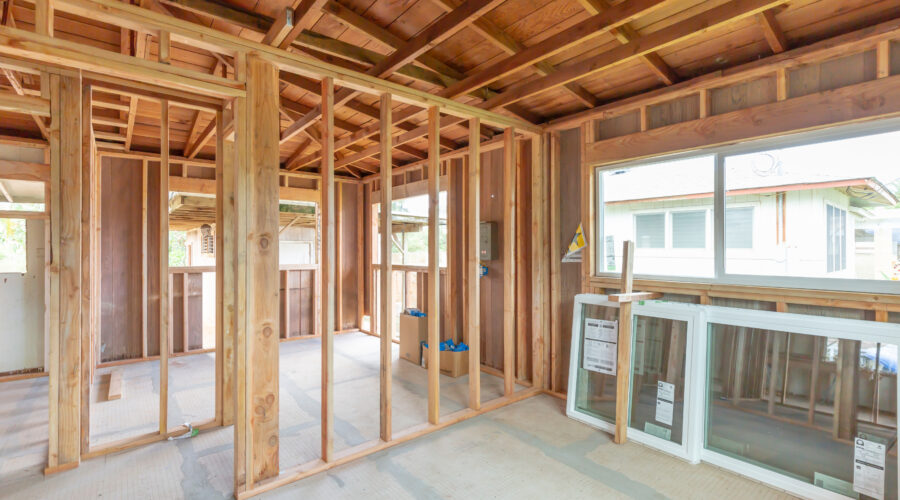
commercial construction

Understanding the Pre-Construction Process

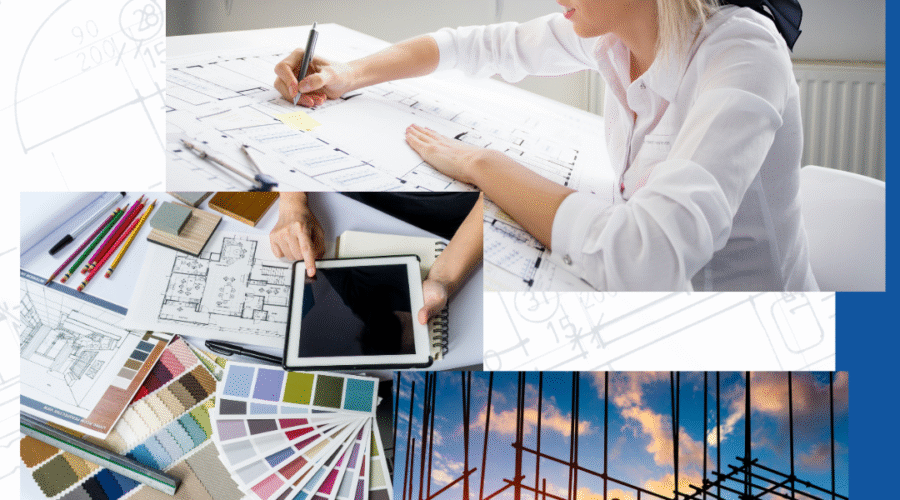
The first step, or set of steps, for any commercial, multi-family, or residential project, is the pre-construction process. During the pre-construction phase, before construction begins, much of the planning and essential work happens. 

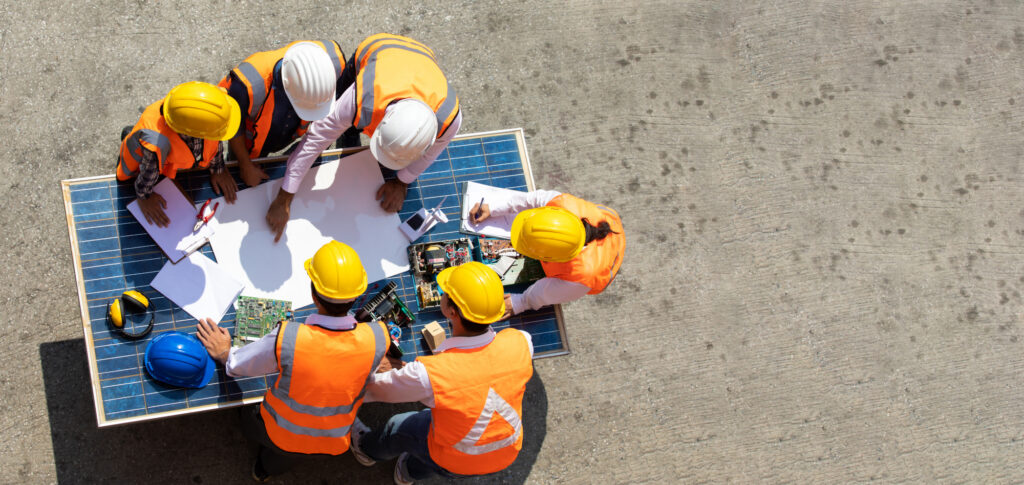
Usually pre-construction meetings take place involving the owner, project manager, architect, general contractor, and project manager.  During these meetings the following are often discussed and decided on.

Defining the scope of work, Design/Development: including scheduling necessary tests (soil tests, for example) or pulling required permits, understanding the overall objectives of the project.

Costs and Schedule Management: This covers scheduling of subcontractors, estimated and actual costs, managing timelines for the project, and understanding risk management. 

Team Assembly is crucial to any good project: having a reliable team in place, including subcontractors, vendors, designers, and assistants, can make all the difference. 

Site Prep like getting an area graded and utilities set up, and setting up temporary offices, bathroom facilities, etc are the last step before a project actually begins. This means we’re ready to get started with the physical work of your new construction or remodel project! 

Low Maintenance Commercial Landscaping ideas

When planning your commercial building project, don’t forget the landscaping! Without it, your building will still be beautiful and appropriately designed for your needs, but it won’t stand out. 

Adding landscaping to your project will soften its edges, provide a peaceful place for clients and employees, provide shelter and food for a variety of wildlife, and keep water and maintenance costs low

landscaping np 2
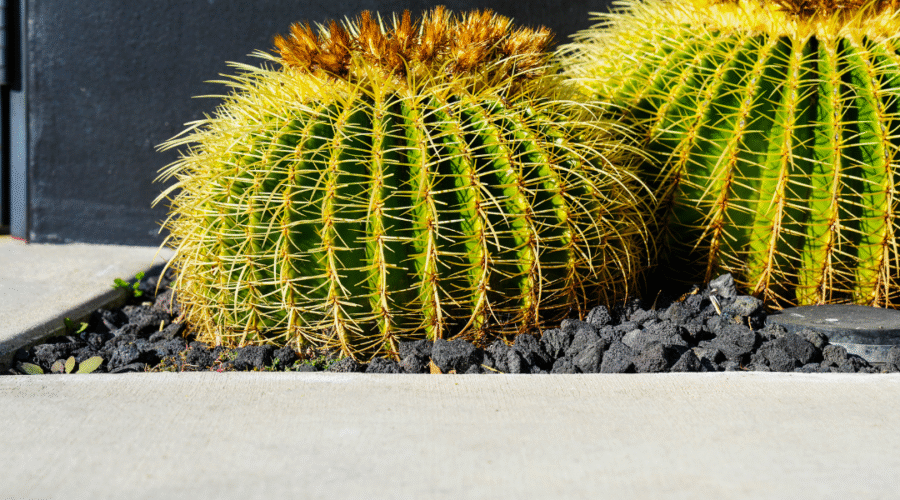
Choose native plants. This is the first step in ensuring your landscaping will be sustainable and easy to care for. Group plants together for easier watering. 
 
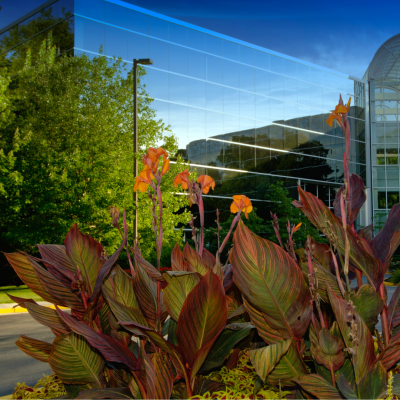
Consider perennial shrubs and flowers, like (for the Western Colorado area), Viburnums like Snowball bushes, Roses, Lavender, Tulips for early spring, Coral Bells, and Diablo Nine Bark.  
 
Ornamental grasses and wildflowers are great options as well as evergreen bushes and shrubs.
 
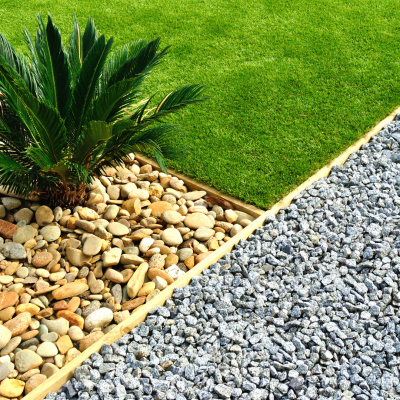
Next, consider hardscaping.  Adding stone pavers, decorative gravel, and mulch will give your landscaping interest without adding more plants and maintenance.
 
landscaping np 2-3

Automated irrigation will save money and time for you and your staff. Plants will get the water they need at a scheduled time each week (on multiple days, usually). This means healthy plants and no stress for your employees! 

Considerations for your low maintenance commercial landscaping: sun exposure, weather, and traffic. 

Know which plants will work best for various areas of your building. It may be best to choose shade-tolerant shrubs for some areas, while those that receive more sun are better for perennial flower beds or flowering shrubs.

Be aware of areas where snow will pile in winter (in parking lot medians or nearby sidewalk areas). You may want to consider just using decorative gravel in areas like this.

Similarly, consider foot and car traffic at your business. What will work for visibility, beauty, and ease for everyone using your space? 

Planning accordingly can lead to a beautiful outdoor space for your business, its employees, and clients too. 

Design Build vs. Traditional: Which is right for you?

When it comes to bringing your commercial construction project to life, you have two basic methods to choose from: a traditional (design-bid-build) method or a design build method. Each has its benefits and drawbacks, and deciding which is the best way to go will be up to you and your individual preferences.

Design Build

A “design build” method means that your contractor is in charge of everything: the design and the build. At North Peak we use this method and work with our architects, subcontractors, vendors and the owner as a team, from the very beginning of the project.

With a design build, you’re trusting your contractor to choose all of those other aspects: vendors, architects, etc. You’re allowing the contract to have most of the control, leaving you to just relax and wait for your finished project!

For some, this lack of control can be unpleasant. While it can save time and streamline processes, if you want to be more involved in various aspects of your project, a traditional method might be better for you.

Traditional Build

With a traditional build, also called a design-bid-build, you will choose your architect first. Once your architect has designed your project you can then have contractors bid on your project.

This also means you will become the go-between and main communicator between the architect and general contractor. You’ll be in charge of making more decisions in regards to your commercial project.

The Topping Out Ceremony

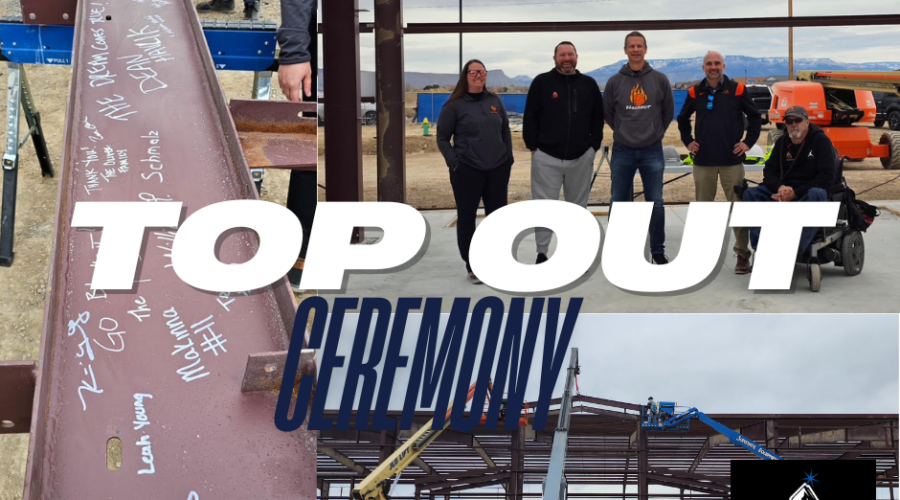
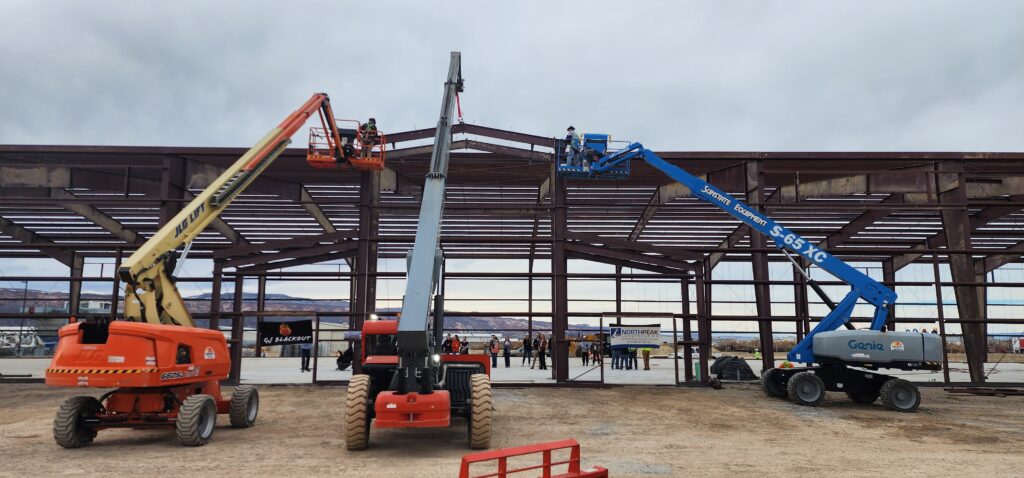
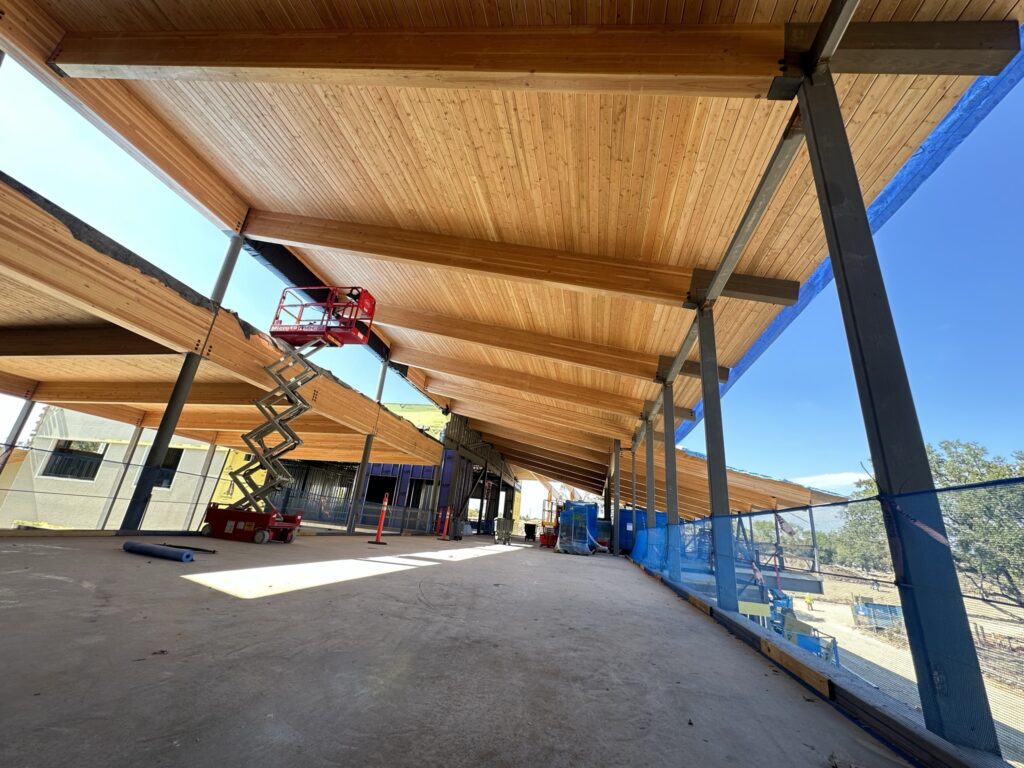
In the construction world, the tradition of a Topping Out ceremony has been around for over 1,000 years. The event takes place when the final beam is raised on a structure, signaling that framing is done and it’s time to move on to making the shell a beautiful space for work or play. This celebration, which many say started in Scandanavia, served several purposes then.

First, it was a way to recognize and celebrate the framing of a new building. This was, and still is, an important milestone for any construction project.

Also, the northern Europeans, to appease the spirits who lived in the trees they cut down, would often attach a small pine tree to the top of the beam. It’s said that, when all the needles fell off the tree, the Scandinavians knew the building’s frame was dried out or cured. This meant they could enclose the structure.

While today’s topping out ceremonies don’t necessarily include offerings to tree-dwelling spirits, they are a great way to show appreciation for the project team, construction crew, stakeholders, and all involved in getting a building project to that important benchmark.

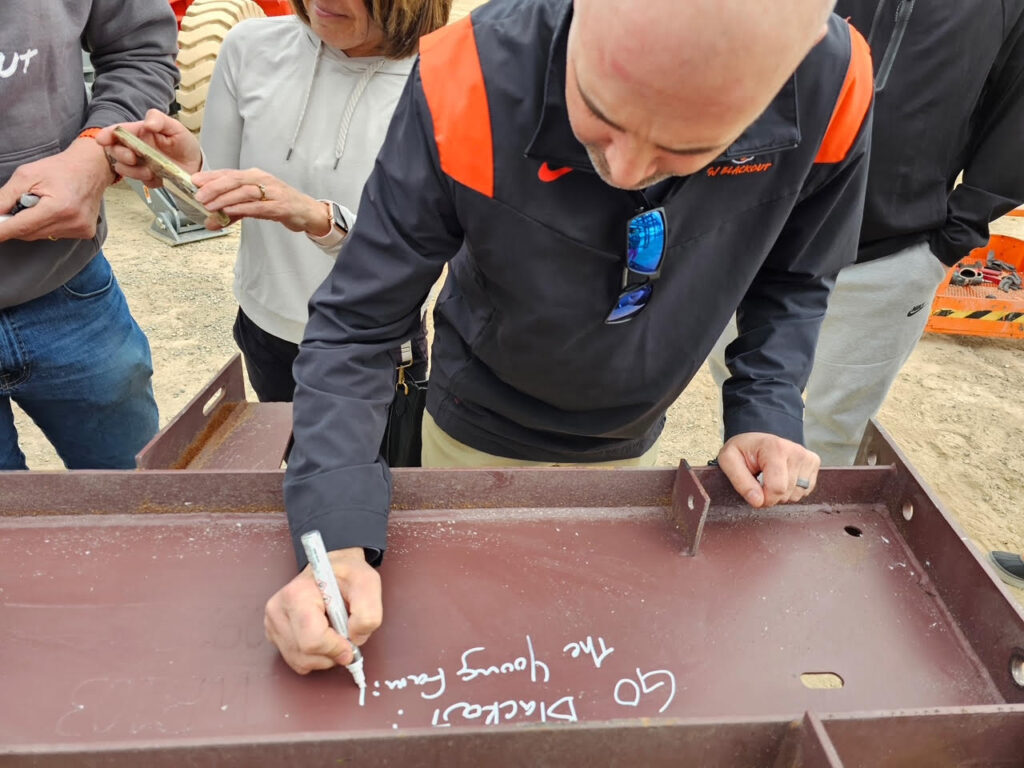
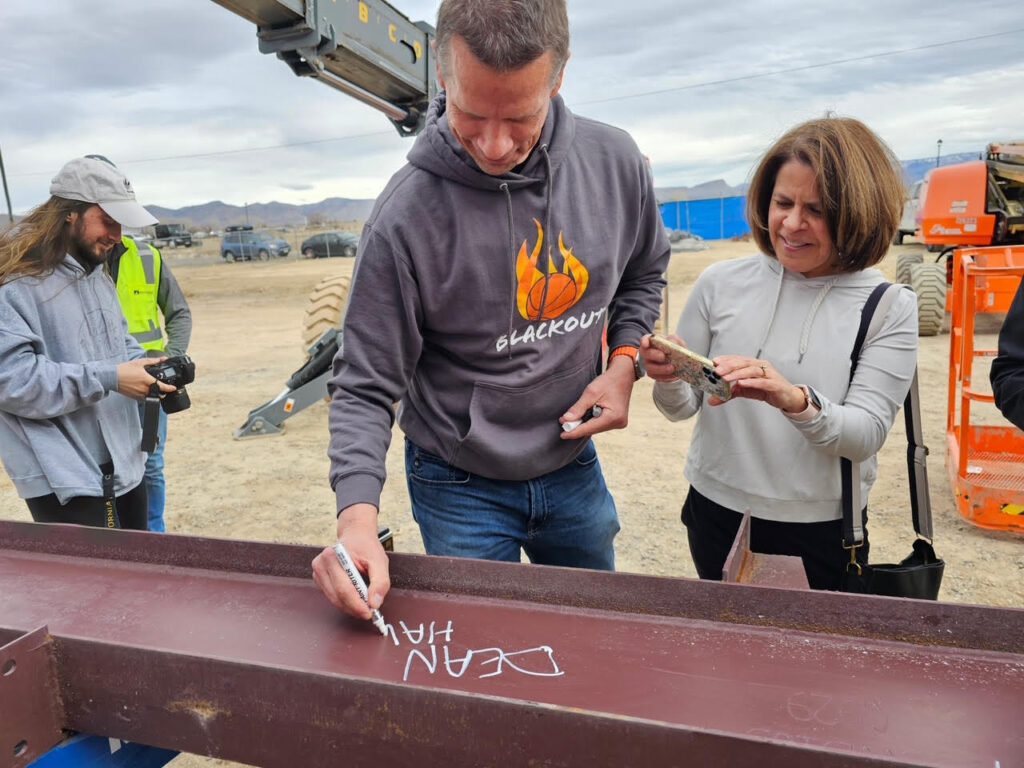
Often at the ceremony owners and project members will sign the beam before it is raised.

Once framing is complete it’s time to turn a shell into a building with walls, lights, and floors, where once there was just an idea and a blueprint.

Visit our GJ Blackout page to see more photos and articles from our recent Topping Out ceremony.

Sustainable Building Materials for your Commercial Construction Project

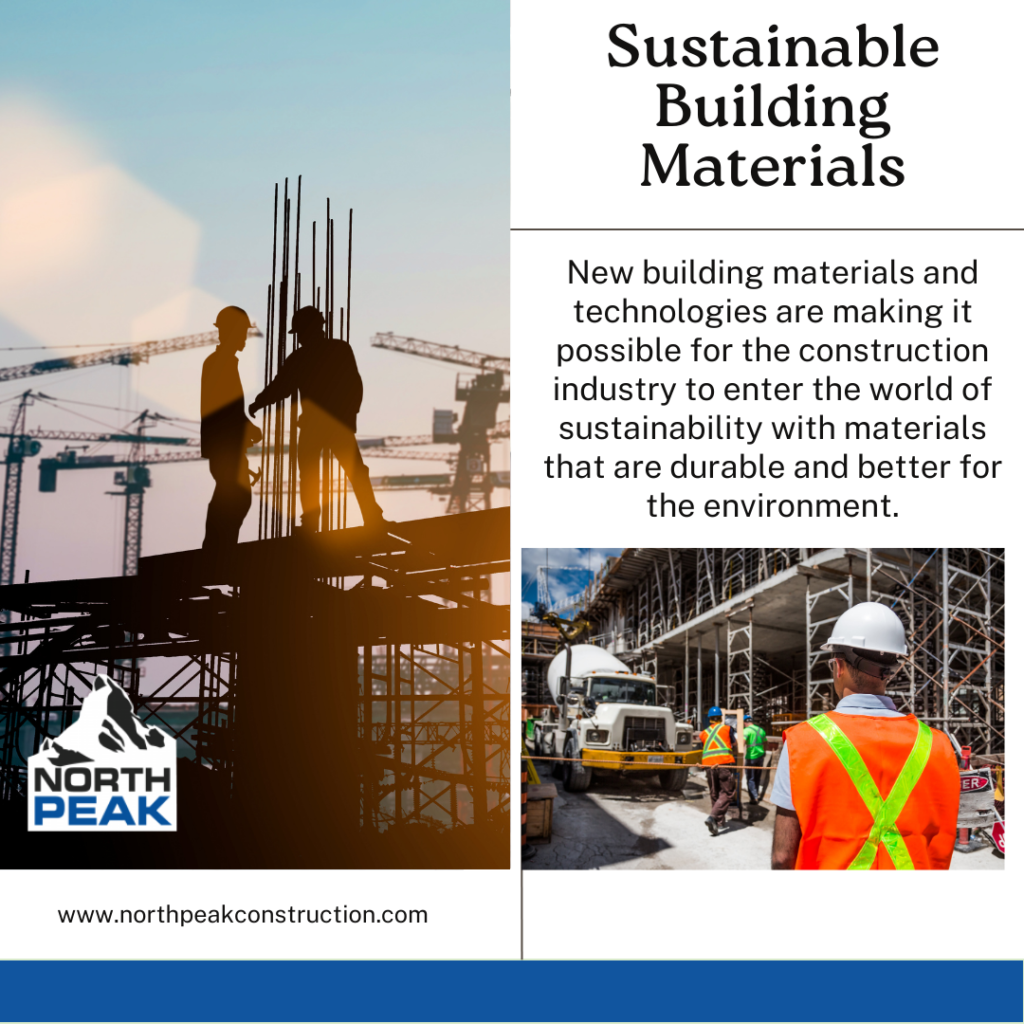
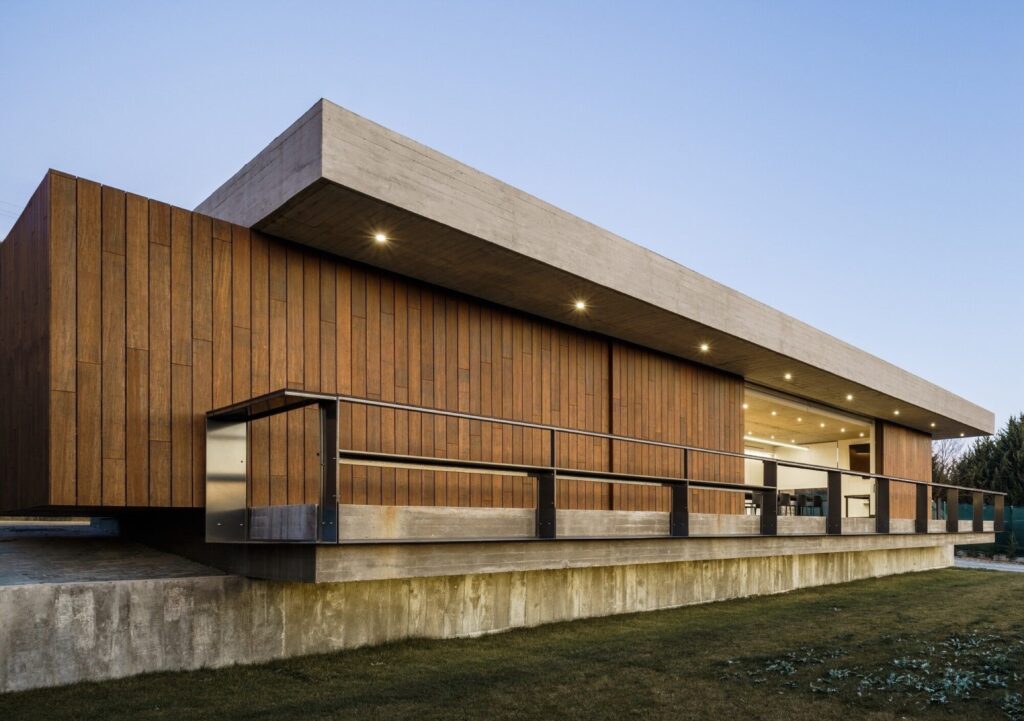
New building materials and technologies are making it possible for the construction industry to enter the world of sustainability with materials that are durable and better for the environment. The following materials are just a few that are making it easier to build strong, aesthetically-pleasing structures while considering environmental effects as well.

BAMBOO

Bamboo is a renewable “grass” that is strong and flexible. It regrows quickly, is durable, and can be used for framing, support, floors, and interior finishes. Because it grows so fast, up to 1.5 inches per hour, Bamboo is a quickly renewing, recyclable resource that works for many different facets of commercial construction design.

LAMINATED TIMBER

Laminated timber is an engineered wood product. It’s made by using an adhesive or glue to combine several pieces of lumber together. It is extremely strong; it’s stronger than standard lumber milled sawn wood.

It is more eco-friendly than steel or concrete and can be sued for everything from beams and columns to roofing and flooring. It is fire-resistant and water-resistant as well.

ADOBE BRICK

Adobe brick, made out of clay and straw, is naturally occurring and therefore a more sustainable choice than a manufactured product. It has wonderful insulating properties and can be a unique and good choice in arid areas. It has been used for centuries as a building material and can be recycled over and over.

STONE

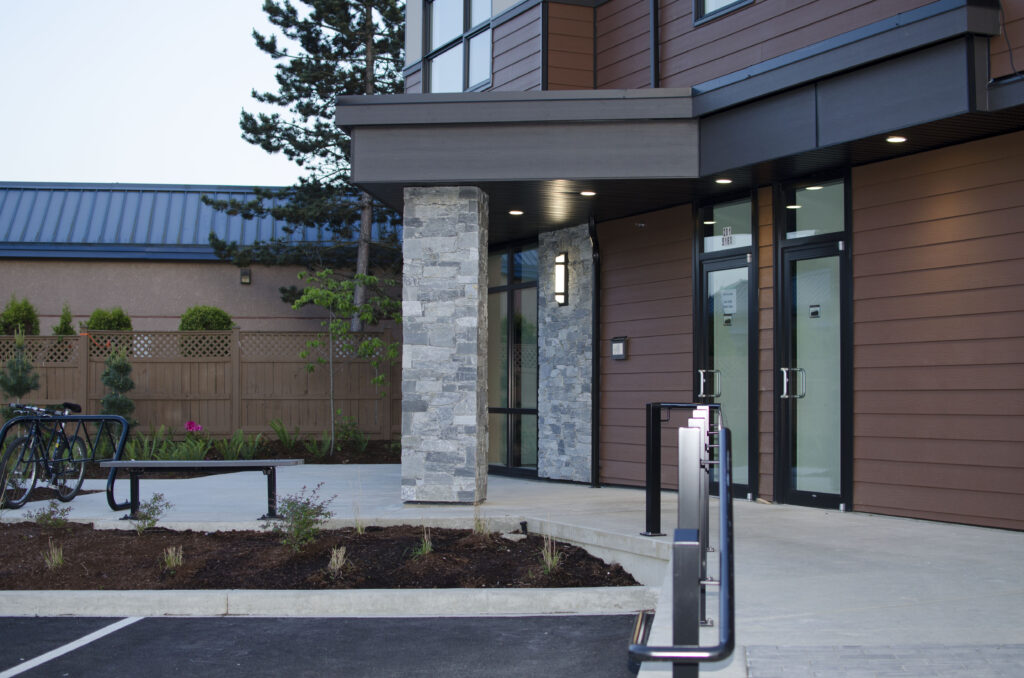
Naturally existing stone is a great sustainable option for flooring, fireplaces, facades, entryways, and more! It is durable, strong and versatile. Adding stone to your project will not only ensure that you’re using available, existing natural resources, but also will give your building an added texture and feature.

CORK

Cork is a common building product in Europe. Slowly it is growing in popularity in the U.S. It comes from the cork oak tree and is removed by hand. This means it is renewable; trees are never cut down or killed in order to harvest cork.

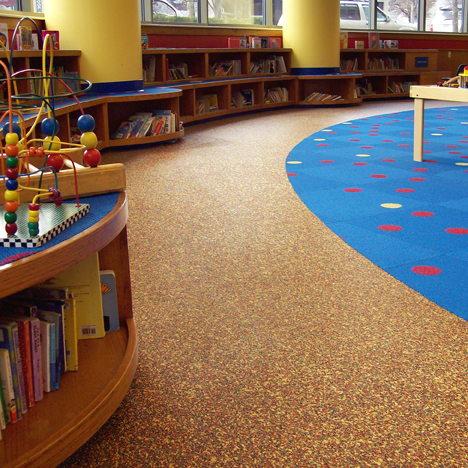
It is mold-resistant as well and is often used in floors and walls. Because it it is water-resistant and durable, it can also be used for countertops and cabinets as well.

If you’re considering a commercial building project in Colorado this year, we’d love to help! Reach out to our Colorado commercial contractors today and let North Peak bring your building dreams to life!

Scroll to top